
This is the conclusion to my rankings of the live action Batman films. Hopefuly you have read Part One. This post covers the movies I’ve ranked from five to one.
I know not everyone will share my opinions or agree with the order I’ve chosen—after all, film preferences are personal, and my list will likely differ from most readers’. If you agree with my choices, that’s great! If not, that’s perfectly okay too. Which Batman film has earned my number one spot? Let’s find out!
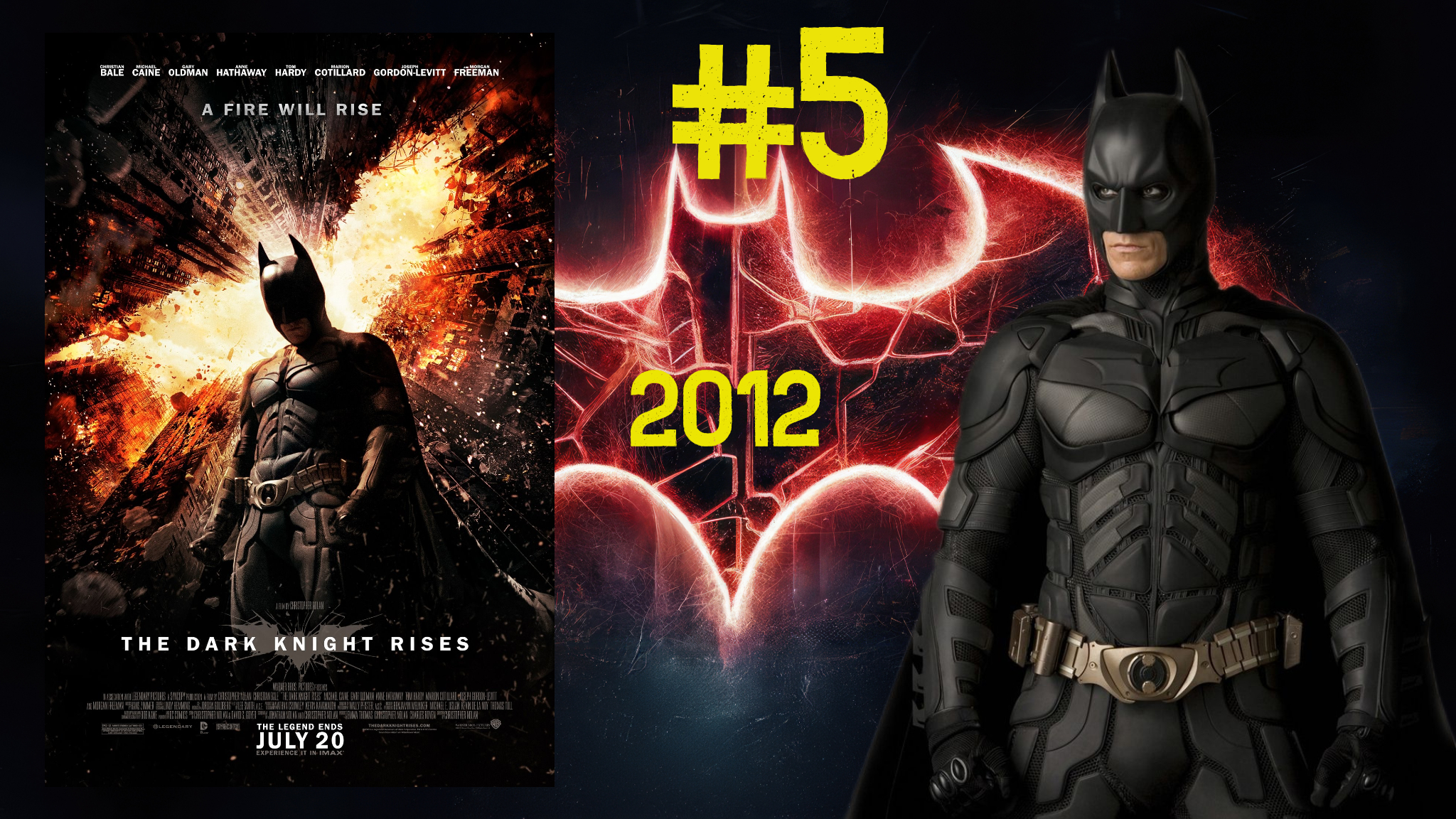
Released in 2012, The Dark Knight Rises wraps up Christopher Nolan’s trilogy. Both critics and audiences praised its thrilling action, and standout performances from Christian Bale and Michael Caine. While some found the storyline divisive and struggled with understanding Bane, the film still had to measure up to the high expectations set by The Dark Knight. Tom Hardy’s physical presence as Bane and Anne Hathaway’s Catwoman added depth as antagonist. The movie delivers an emotional finale to a legendary superhero series.
While The Dark Knight Rises serves as a solid conclusion, I personally have a few, but mostly minor issues with it that placed it at number five in my countdown. The main concern for me is the ending, where Alfred sees Bruce and Selina (Catwoman) in an Italian café. Was this encounter real, or just a vision? The scene troubles me because Alfred mentioned a similar scenario earlier in the film.
Some might think I’m nitpicking, and that’s understandable. If Nolan wanted us to believe Bruce survived, that’s fine. However, I feel the earlier reference could have been omitted. I also would have been content if Bruce/Batman had died; in that case, we didn’t need to know Fox later discovered Bruce fixed the autopilot.
In some ways, I feel that Nolan leaving Bruce’s fate ambiguous was a bit of a cop-out. Still, I can understand his reasoning to let the audience decide and avoid criticism from those who might not agree with his choice.
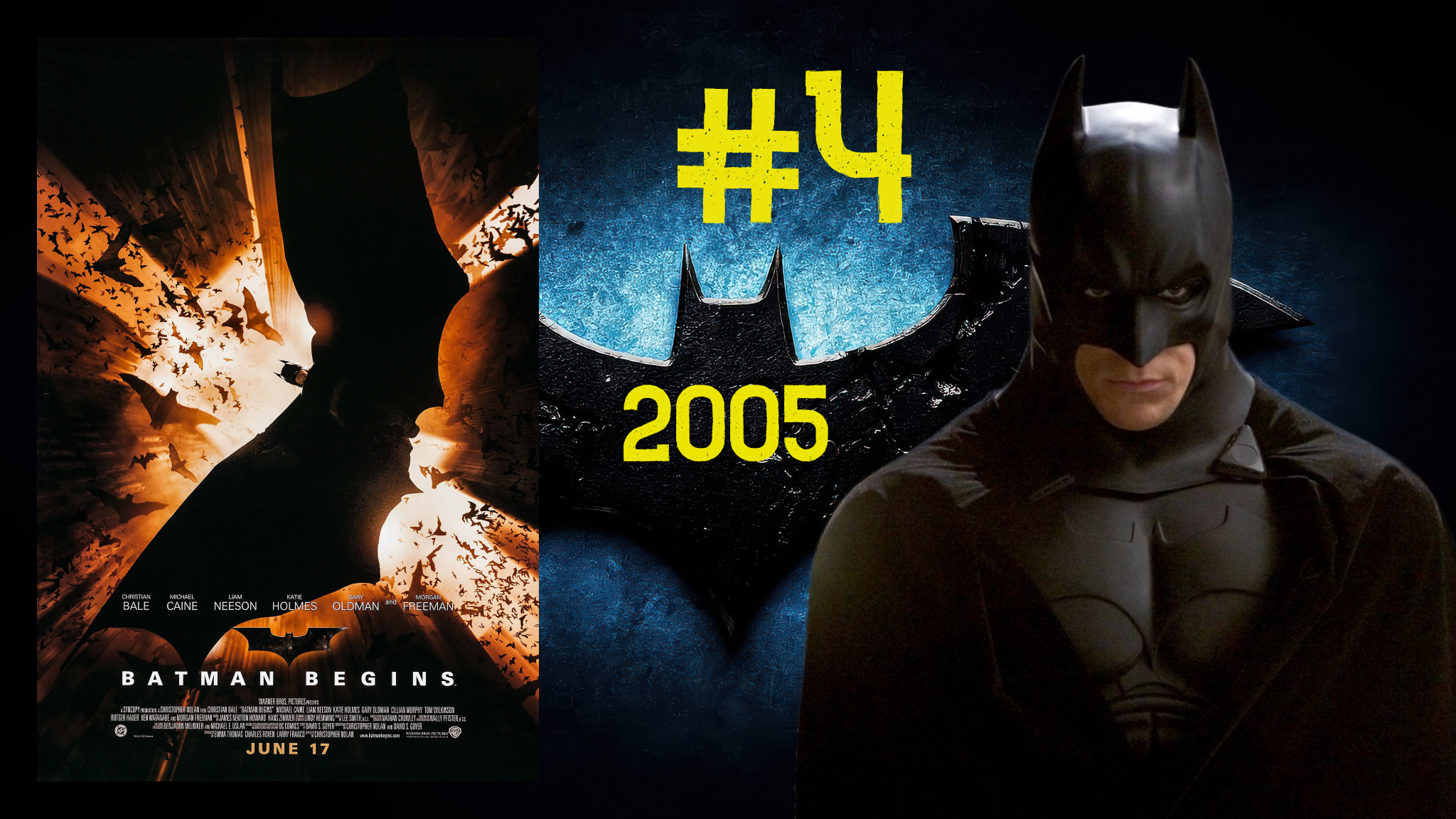
Batman Begins (2005) is noted for its dark, grounded, and realistic take. Christopher Nolan departed from the more lighthearted elements of previous Batman adaptations, opting instead for a character-driven origin story that takes us through Bruce Wayne’s development and the concept of fear. Christian Bale’s performance as both Batman and Bruce Wayne received considerable acclaim for its complexity and nuance, setting a notable precedent for future portrayals. The film featured a strong supporting cast, including Michael Caine, Liam Neeson, and Gary Oldman. Batman Begins is a superb entry in the genre, redefining the character and laid the foundation to a highly successful trilogy.
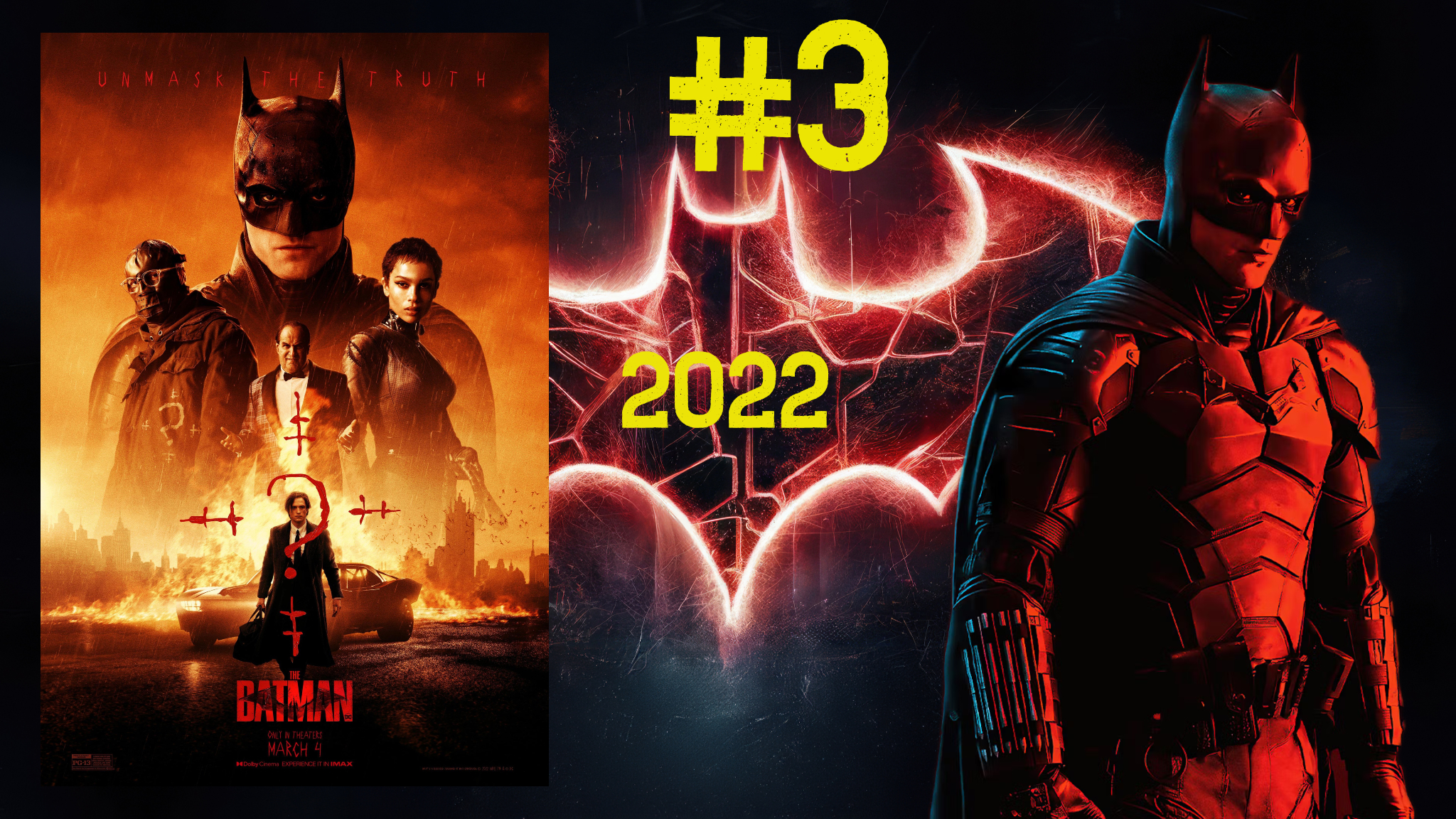
The Batman (2022) is a detective movie that presents a dark, realistic look at the Dark Knight that doesn’t resemble a comic book movie. Matt Reeves pulled Batman’s investigative abilities to the fore front, presenting the film as if it were a suspenseful murder movie. Robert Pattinson portrayal of Bruce Wayne/Batman brought audiences an emotional character. The supporting cast, Paul Dano as the Riddler and Colin Farrell as the Penguin almost stole the movie from Pattinson. The extended runtime gave the movie some pacing issues. But in the end The Batman was a success at theaters and is a very distinctive addition to the live-action adaptations of the Batman franchise.
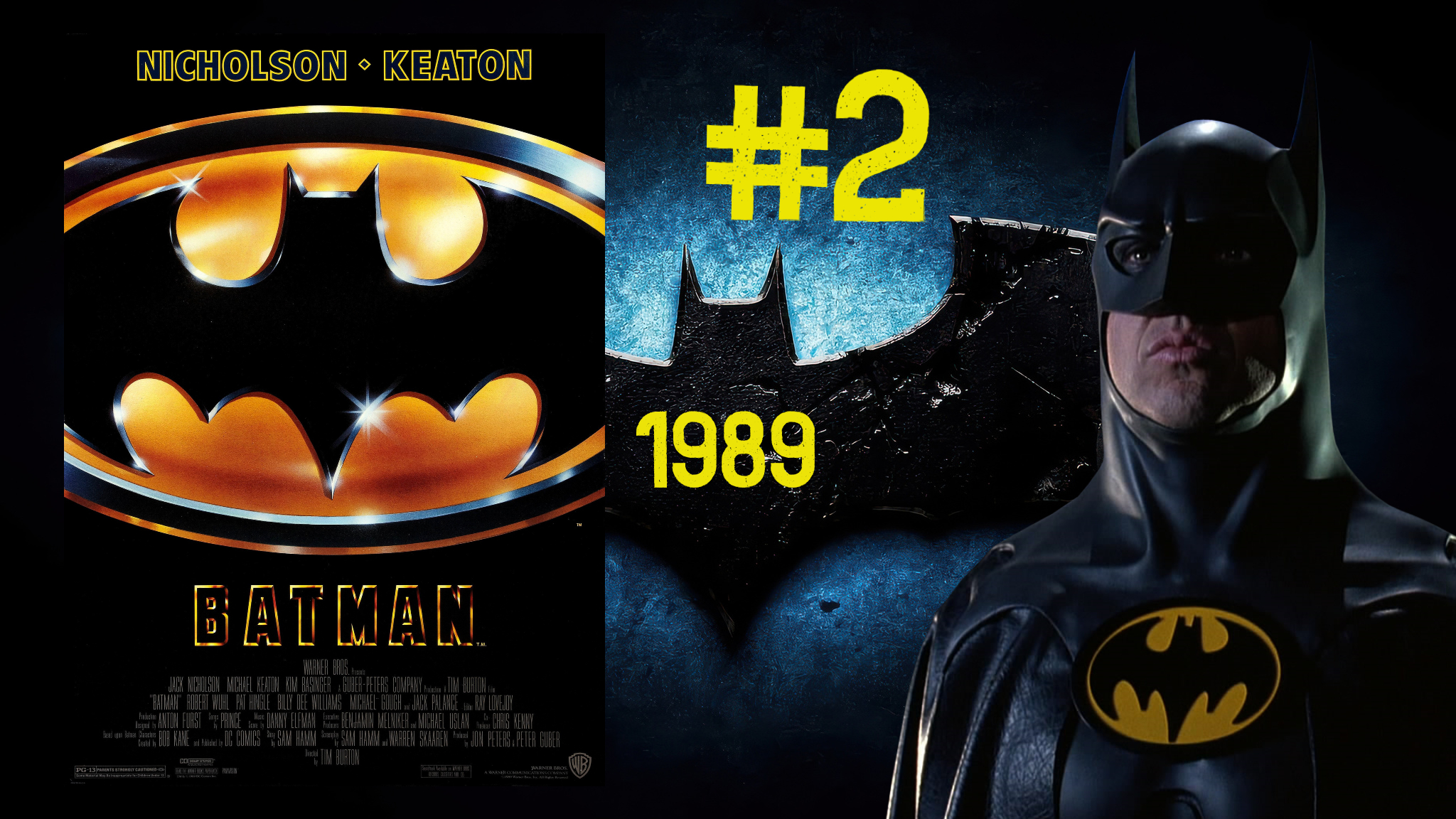
“Batman” (1989), directed by Tim Burton, is a triumph that redefined the superhero genre, yet its most enduring quality is how it perfectly captures the unsettling, almost gothic loneliness of Bruce Wayne. Michael Keaton’s Bruce Wayne isn’t a playboy; he’s a reclusive, slightly unhinged figure who seems far more comfortable in the shadows of the Batcave than at a high-society Gotham function.
The genius of the film lies in its production design by, which renders Gotham City as a dystopian, art-deco nightmare, a city so irredeemably corrupt and physically suffocating that Batman’s existence feels less like vigilantism and more like an essential, albeit dark, immune response. This tactile, oppressive world in some ways is the real star.
While Jack Nicholson’s Joker is a scene-stealing spectacle, it’s the contrast with Keaton’s quiet, internalized performance that makes the movie work. Keaton’s Batman is a man burdened by his mission, a silent observer in his own life. The film is less about a hero’s journey and more a study of a man consumed by trauma, who finds his true self only when wearing the cowl to be Batman. It’s a beautifully dark, operatic film that is, at its core, a melancholy character study wrapped in a visually stunning gothic package.
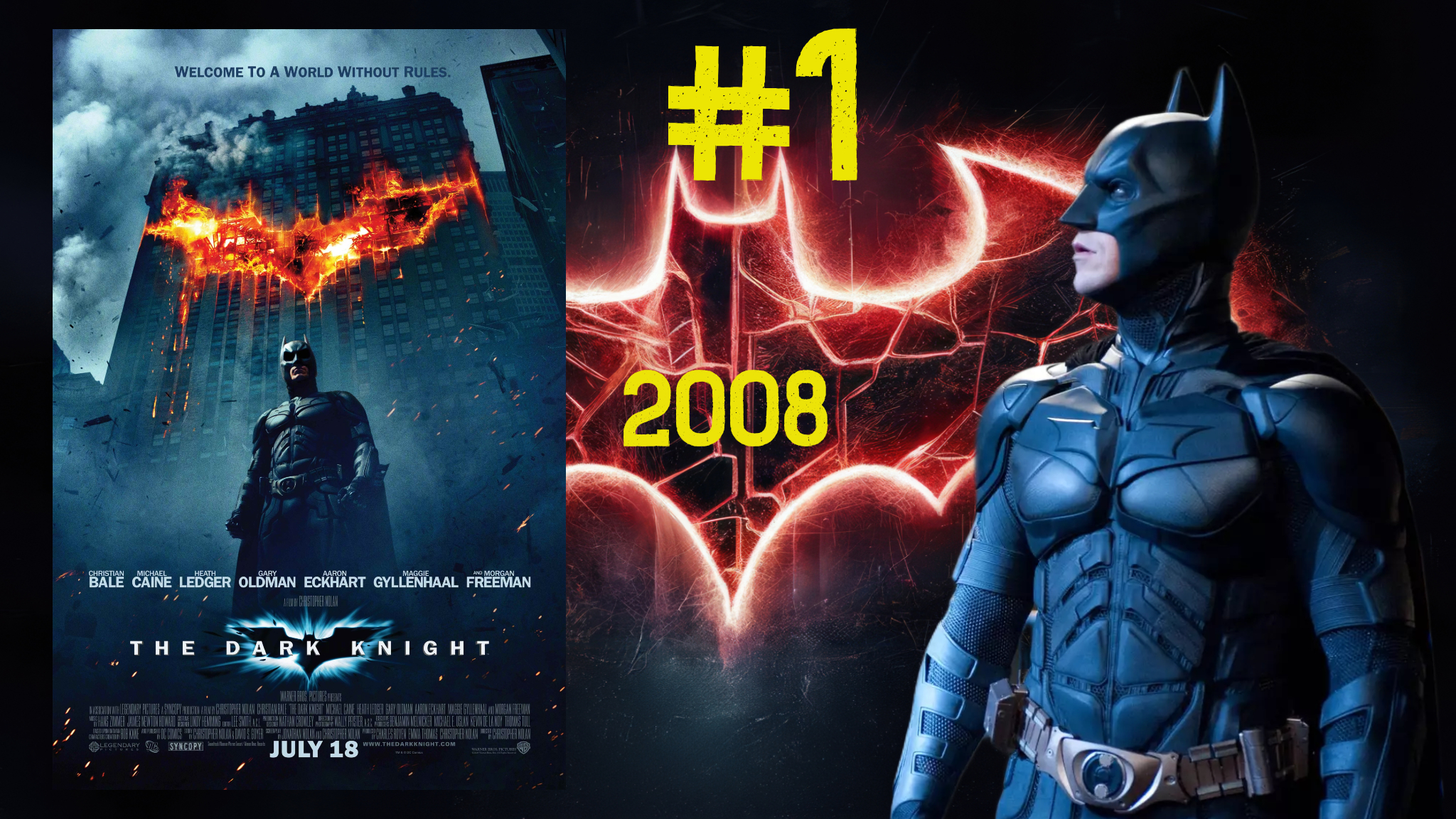
The Dark Knight serves as a cinematic masterclass in character deconstruction within a real urban landscape, orchestrated by Christopher Nolan’s vision. Nolan strips away the comic-book fantasy, delivering a film that feels less like a superhero movie and more like a high-stakes crime drama, rooting its extraordinary characters in the cold, hard logic of a functional, albeit collapsing, metropolis.
Christian Bale’s performance as Bruce Wayne/Batman is notably understated, yet intensely physical. His portrayal is less about the Batman’s mask and more about the internal and external physical toll of the self-imposed mission. He doesn’t dominate the screen with charisma; he commands it with a strained, weary discipline, making his dual identity a believable, exhausting burden rather than a glamorous secret. The infamous “Bat-voice,” often a point of contention, serves to emphasize this physical commitment as a raw, strained instrument of intimidation.
The late Heath Ledger’s Joker is a force of nature, an agent of chaos whose performance is defined by a terrifying lack of motive and compelling physical unpredictability. Ledger embodies the character with a twitchy, unsettling energy that rejects all cinematic norms for a “villain.” He is a mirror to Bale’s rigid discipline, a performance of pure, reactive anarchy that elevates every scene he’s in through sheer, visceral presence.
Central to the film’s grounded nature is Aaron Eckhart’s tragic journey as Harvey Dent into the monstrous Two-Face. Eckhart brilliantly handles the transition of Gotham’s “White Knight” from a charismatic, idealistic beacon of hope into someone whose rejecting all belief that life is meaningless. His fall is the film’s moral core, a demonstration of the Joker’s thesis that even the best men can be broken. The physical scarring mirrors the emotional and psychological destruction, making his descent feel brutally earned and tragically inevitable within Nolan’s unforgiving world.
Nolan’s ultimate vision is realized through this confluence of grounded performances. He presents a Gotham where ideals are tested not by aliens or super-villains, but by human frailty, systemic corruption, and the inherent unpredictability of a truly damaged individual. The film’s legacy isn’t about its box office returns, but how it forced a mature reconsideration of what a “superhero” movie could achieve.
These five films represent critical and commercial high points across the different eras of the Batman franchise, from the grounded realism of Christopher Nolan’s Dark Knight trilogy, Tim Burton’s Gothic 1989 original, and Matt Reeves’ recent noir take. United by tone and character-driven narratives, they are celebrated as some of the best portrayals of the Caped Crusader. Despite their different directorial visions, the films collectively define the modern standard for superhero movies and are frequently ranked at or near the top of all Batman-related movie lists.
How do you feel about my rankings overall? Did you find my rankings acceptable, or do you dislike them? If you’re inspired to leave a comment, I ask that you keep it respectful. I’m eager to hear your thoughts on what your Top 10 Batman films would look like.
Categories: Movies
 “Stand By Me” 40th Anniversary
  Supergirl – Teaser Trailer
  Batman Movie Rankings – Part 1
  Celebrating 20 Years of Wallace & Gromit: The Curse of the Were-Rabbit!
  Reggie's Take.com